Comparison
Sourdough vs Commercial Yeast: What Is the Real Difference?
In short: Commercial yeast is generally faster and more predictable. Sourdough requires more time and management and produces a different balance of acids and aroma compounds. Excellent bread can be made with either system. Nutritional quality is not determined by fermentation method alone, and wheat bread contains gluten in both cases.
Sourdough and commercial yeast are not a battle between natural and harmful. Both depend on living microorganisms. Commercial yeast is a selected, concentrated baking yeast, while sourdough uses a mixed community of yeasts and lactic acid bacteria in a flour-and-water starter.
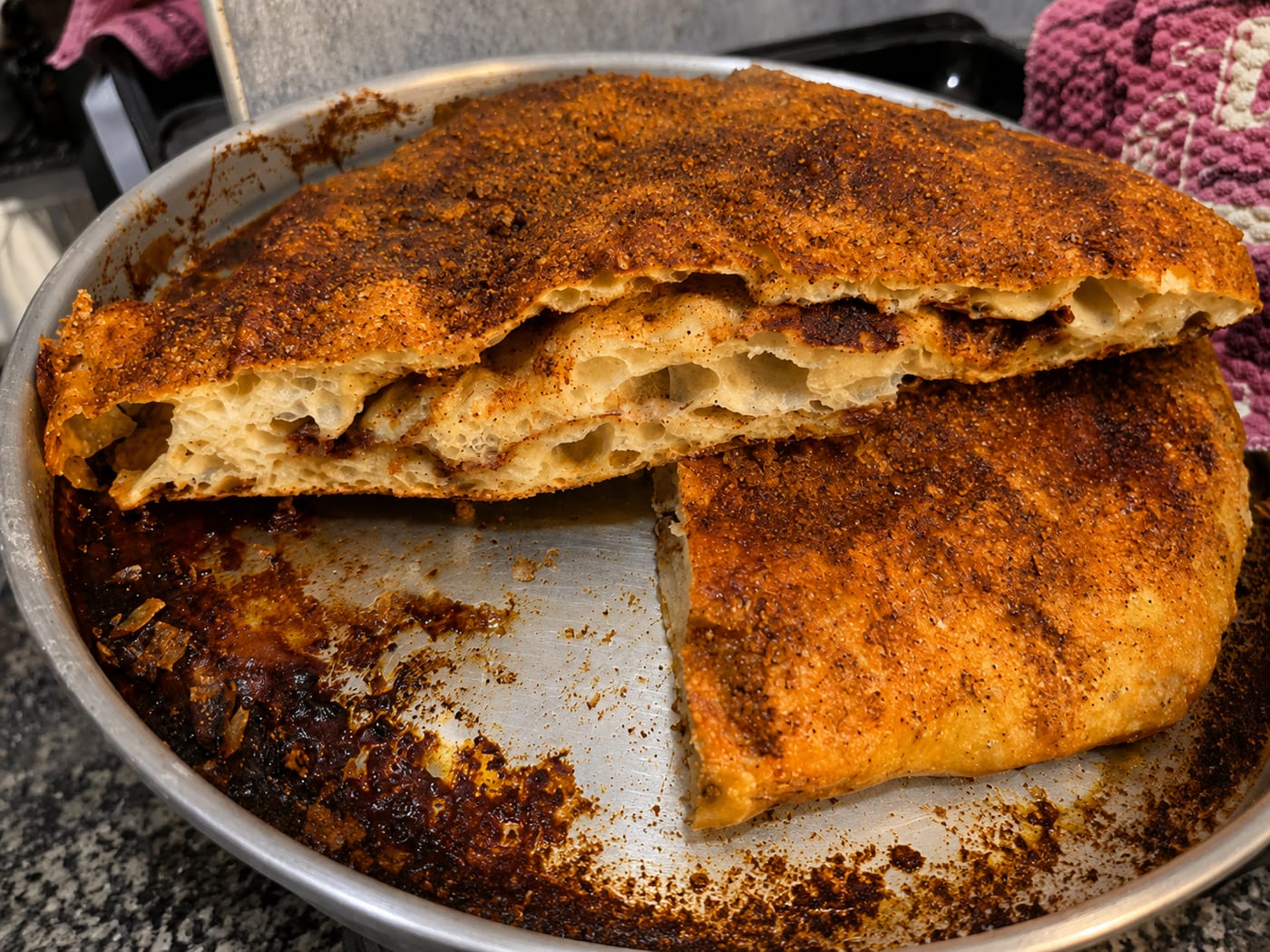
Two Different Fermentation Systems
Commercial baker’s yeast is commonly a selected yeast produced at high concentration for speed and consistency. Sourdough starter is a mixed microbial culture influenced by flour, feeding, temperature and maintenance.
Some formulas combine starter and commercial yeast. Product descriptions should reflect the actual method rather than treating the systems as moral categories.
Speed and Predictability
Commercial yeast usually ferments dough more quickly and is easier to schedule. Sourdough is typically slower and requires attention to starter condition, dough temperature, volume, elasticity and aroma.
More time is not automatically better. Excessive fermentation can weaken dough and create a flat loaf.
Flavour and aroma
Commercial yeast can produce excellent bread. Sourdough creates a different range of organic acids, alcohols, esters and other aroma compounds, often producing greater flavour complexity.
Strong acidity is not the only sign of a well-made sourdough. Flavour should suit the product rather than overwhelm the grain.
Texture and Rise
Either system can produce well-risen bread when flour, hydration, shaping and baking are appropriate. Yeast activity alone is not enough; the dough must retain gas.
Sourdough may have an open or even crumb, and yeast bread may be light or dense. Technique and formula matter more than the label.
Is Sourdough Always More Nutritious?
No. A low-fiber white sourdough loaf is not automatically nutritionally superior to well-made whole-grain yeast bread. Flour, fiber, serving size, salt, fat, sugar and inclusions all matter.
Acid fermentation may reduce some phytate or modify selected proteins and carbohydrates under certain conditions, but the effect varies and should not become a universal health promise.
Gluten, Celiac Disease and Wheat Allergy
Wheat bread contains gluten whether it is made with sourdough or commercial yeast. Sourdough fermentation may partially modify gluten proteins, but ordinary fermentation does not eliminate them.
Wheat sourdough is therefore not suitable for celiac disease or wheat allergy merely because it is fermented.
Digestion and Blood-Sugar Response
There is no single response to every sourdough bread. Flour type, whole-grain content, serving size, bread structure, meal context and individual metabolism all affect the result.
Some people may prefer sourdough from a tolerance perspective, but personal experience is not a medical guarantee.
When Does Each System Make Sense?
- Choose commercial yeast when speed and highly predictable scheduling are priorities.
- Choose sourdough when fermentation character and process are central to the product.
- Judge bread through ingredients, texture, flavour and intended use.
- Do not turn the word natural into a therapeutic claim.
Sourdough and Commercial Yeast at a Glance
| Factor | Sourdough | Commercial yeast |
|---|---|---|
| Fermentation system | Yeasts and bacteria in starter | Selected concentrated baker’s yeast |
| Speed | Generally slower and more variable | Generally faster and predictable |
| Flavour | Different acids and aroma compounds | Can be excellent through a different pathway |
| Gluten in wheat bread | Present | Present |
| Nutrition | Depends on the full formula | Depends on the full formula |
| Best suited to | Fermentation character and craft | Speed, consistency and scheduling |
Frequently Asked Questions
Frequently asked questions
Is commercial yeast harmful?
It should not be called harmful simply because it is commercial. It is selected baker’s yeast used widely in food production.
Is sourdough healthier than every other bread?
No. Nutritional quality depends on flour, fiber, serving size and the complete formula.
Is sourdough gluten-free?
Wheat sourdough contains gluten.
Can sourdough and commercial yeast be used together?
Yes, in hybrid formulas. The product should be described accurately.
Why does sourdough often require pre-order?
Starter management, fermentation, shaping, baking and cooling require time and limit batch size.
References
- Thiele C et al., 2004 — PMID 14995138 — DOI 10.1021/jf034470z
- Korem T et al., 2017 — PMID 28591632 — DOI 10.1016/j.cmet.2017.05.002
- Lopez HW et al., 2001 — PMID 11368651 — DOI 10.1021/jf001255z