Bake at Home
Bake at HomeBeginner sourdough bread recipe for home ovens
A beginner sourdough bread recipe is a simple loaf formula built around an active starter, basic flour, water, and salt—designed so new bakers learn fermentation cues rather than chasing advanced shaping on day one. You mix a dough at moderate hydration, bulk ferment with one or two folds, shape one boule or batard, proof until the dough springs slowly when poked, then bake with adequate heat and steam. In Egypt, the same formula needs shorter room-temperature bulk in summer and sometimes lower starter percentage so the dough does not overproof before the oven is ready. Weigh ingredients, note dough temperature, and adjust time by feel—not only by a video filmed in a cool climate.
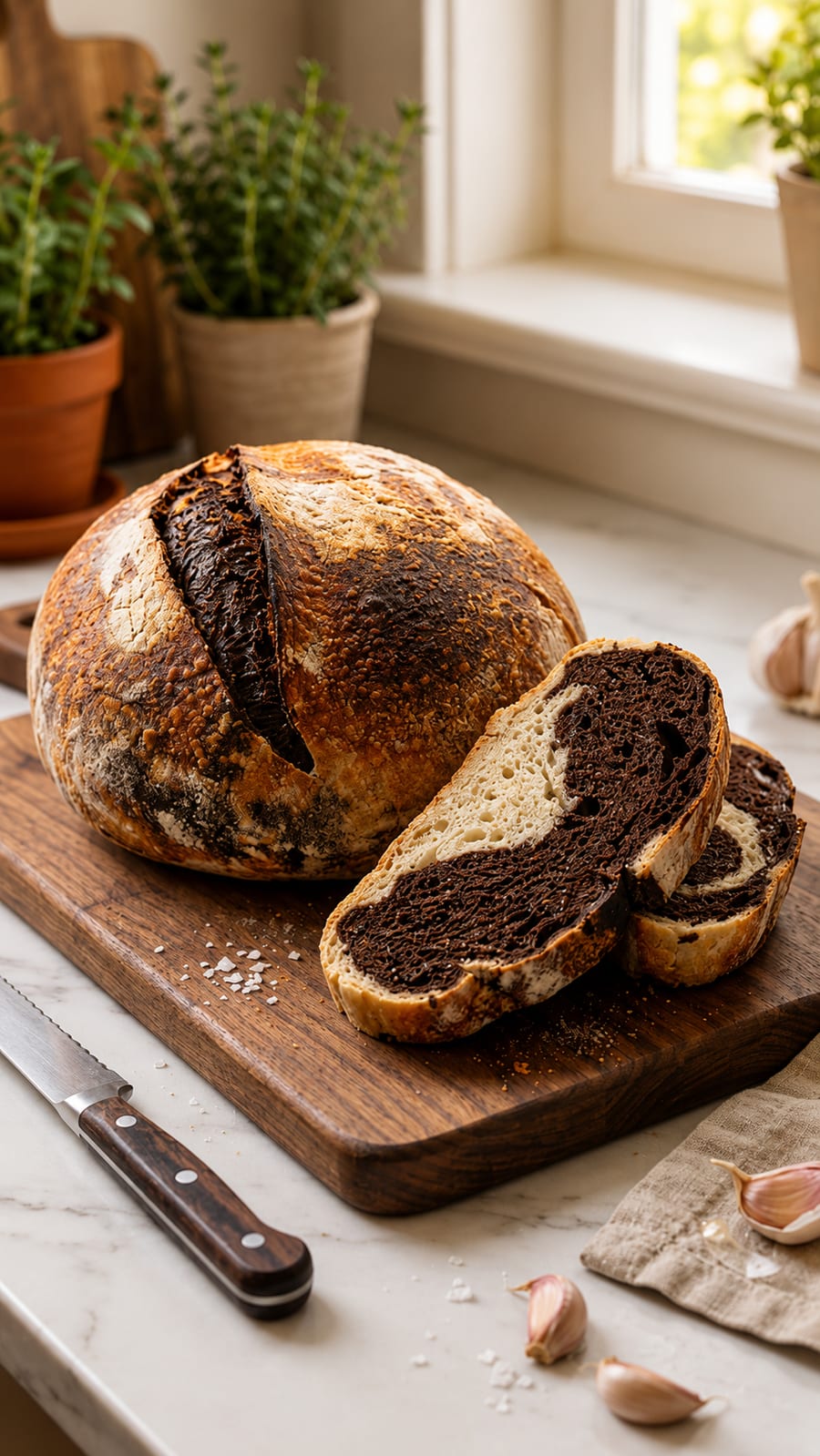
Concise definition
A beginner sourdough recipe is an entry-level formula using a maintained starter for leavening, with steps and timings scaled to home equipment and local kitchen temperature.
Simple same-day or overnight loaf
- Refresh starter to peak; mix flour, water, salt, and starter until no dry patches.
- Bulk ferment 3–5 h with two stretch-and-folds—or less in heat above 28°C.
- Pre-shape, rest 20 min, final shape with surface tension.
- Proof 1–3 h at room temp or overnight in fridge if kitchen is hot.
- Preheat oven and vessel; score, bake covered 20 min then open for colour.
- Cool fully on a rack before slicing.
At a glance
| Kitchen temp | Bulk ferment | Proof |
|---|---|---|
| 18–24°C | 4–5 h | 2–3 h room |
| 25–30°C | 2–4 h | 1–2 h; watch closely |
| Above 30°C | 1.5–3 h or cold retard | Shorter; finger-test often |
Egypt and Arab-climate context
Home ovens vary widely in Egypt—verify internal temperature with a thermometer. A Dutch oven or covered pot helps steam. If the dough rises fast on the counter, move to the fridge for part of bulk or proof. Match flour to what you can buy consistently; changing brands mid-recipe changes hydration needs.
Deeper practice notes
A beginner loaf succeeds when you change one variable at a time: hydration, bulk length, or proof feel. Write dough temperature after mixing—it explains many “mystery” failures in warm rooms.
Steam and a thorough cool on a rack matter as much as shaping. Slice only when the crumb has set.
ARTIBAKE food positioning
Food choices and ingredient quality are important foundations of a balanced lifestyle. ARTIBAKE believes in ingredient transparency, carefully selected raw materials and naturally fermented recipes.
Beginner country sourdough loaf (home oven)
A teaching loaf for home bakers. Percentages and timings must be adjusted for Egyptian kitchens. Not an ARTIBAKE commercial formula.
Educational home recipe only—not the confidential ARTIBAKE production recipe.
Ingredients
- 500 g bread flour (adjust water to dough feel)
- 350–375 g water (70–75% hydration starting point)
- 100 g active sourdough starter (100% hydration)
- 9–10 g salt
Equipment
- Bowl
- Scale
- Bench knife
- Banneton or towel-lined bowl
- Dutch oven or baking stone setup
- Lame or sharp blade
Method
- Mix flour and most of the water; rest 20–40 minutes (autolyse). Add starter and salt; mix until combined.
- Bulk ferment with 2–4 sets of folds over the first 90 minutes. In hot weather, shorten bulk and consider a cooler location.
- Pre-shape, rest 15–20 minutes, final shape into a boule or batard. Place seam-up in a floured banneton.
- Proof until ready by poke test, or retard overnight in the refrigerator for easier scoring and oven timing.
- Preheat oven with Dutch oven to about 230–240°C. Score, bake covered then uncovered until deep colour and hollow knock / internal doneness.
- Cool fully on a rack before slicing—often 1–2 hours—for a set crumb.
Allergen notice: Contains wheat (gluten). May be prepared near other bakery allergens at home if shared tools are used.
Common mistakes
Baking when the dough still feels sloppy and collapses
That is often overproof. Chill briefly or bake sooner next time.
Skipping the cooling rack
Cutting hot loaves mashes the crumb and hides whether fermentation succeeded.
Changing four variables at once
Adjust hydration or time or starter—not all three in one bake.
Frequently asked questions
What hydration should a beginner use?
Start around 70–75% baker's percentage with local flour, then adjust once you know how your flour absorbs water.
Can I bake on a tray without a Dutch oven?
Yes. Use a preheated tray, ice cubes in a skillet below, or spray the oven walls carefully for steam at load.
Why did my loaf spread flat?
Often overproofing in heat, weak shaping, or starter that bubbles but lacks leavening power—check starter activity first.
Do I need special tools?
Scale, bowl, bench scraper, and razor or lame help; none replace reading dough feel.
Conclusion
Beginner sourdough is a repeatable loop: peak starter, controlled bulk, confident shape, and honest proofing for your kitchen. Master that loop in Egyptian heat before chasing advanced formulas.
References
- Five keys to safer food — World Health Organization (accessed 2026-07-22)
- EDITORIAL_REVIEW_REQUIRED: peer-reviewed fermentation science citation — Pending verified journal / textbook source