Bake at Home
Bake at HomeProof sourdough without a proofer
Proof at room temp, in a light-only oven, or fridge—watch spring, not only the clock.
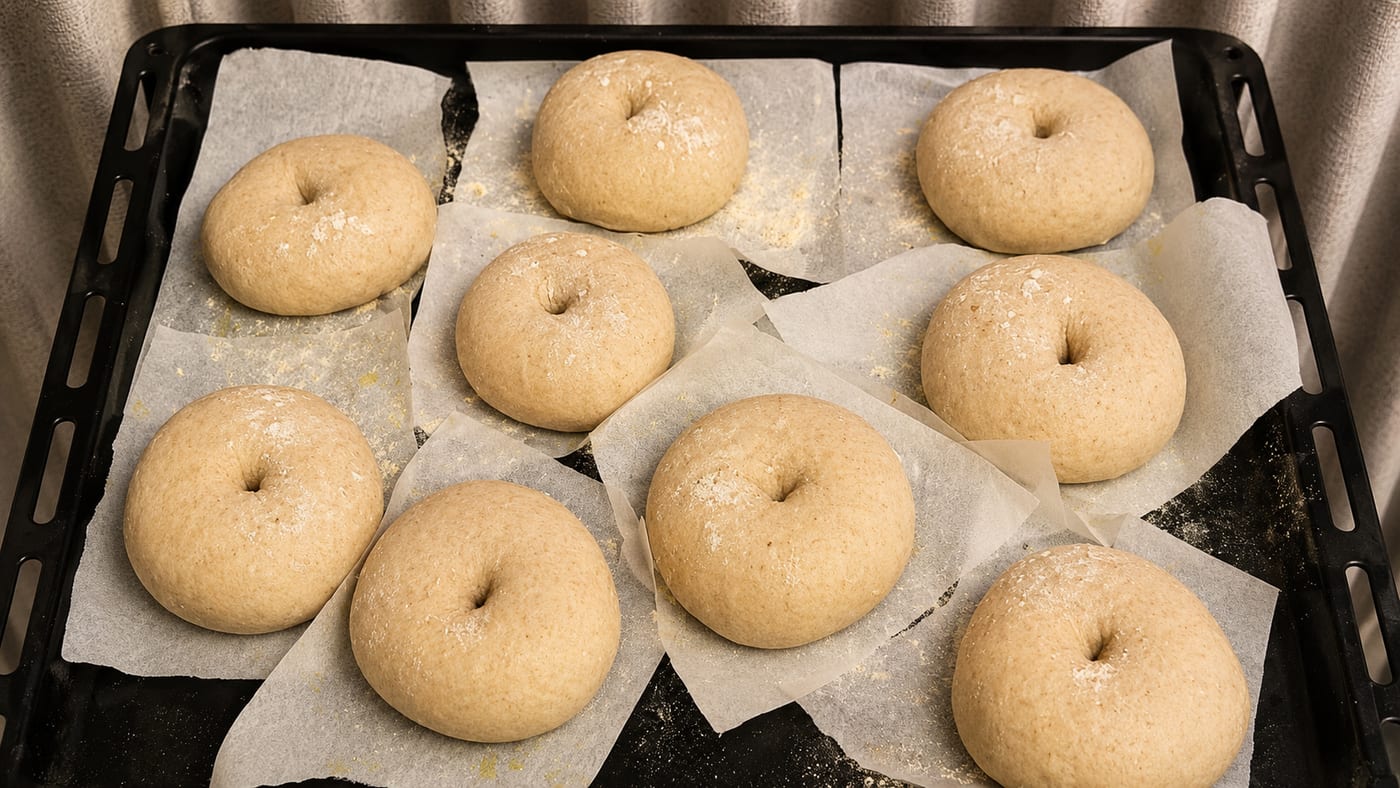
Concise definition
Proof sourdough without a proofer connects to naturally fermented baking through process, ingredients, and local kitchen conditions.
Practical steps
- Weigh flour, water, salt, and starter when dough is involved.
- Mix; note dough temperature after combining.
- Bulk ferment with folds; shorten in heat above 28°C.
- Shape with tension; proof until slow spring.
- Bake with steam; cool fully before judging.
- Log room temp and timing for the next bake.
At a glance
| Space | When it helps | Risk |
|---|---|---|
| Cool shaded counter | Mild weather control | Summer heat still races dough |
| Oven with light only (off heat) | Gentle warmth | Can overproof — check often |
| Refrigerator retard | Schedule control; easier scoring | Underproof if baked stone-cold without planning |
| Sunny balcony / oven top | Rarely ideal | Overheats dough and starter |
Egypt and Arab-climate context
Cairo and Alexandria run hot and humid in summer—use fridge retard when dough races ahead. Flour brands absorb water differently; adjust hydration by feel.
Deeper practice notes
A proofer is convenience, not a requirement. Shaded counters, AC zones, and fridge retards are practical Egyptian tools.
Use the poke test and dough volume. Clock-only proofing fails when ambient heat swings between morning and afternoon.
ARTIBAKE food positioning
Food choices and ingredient quality are important foundations of a balanced lifestyle. ARTIBAKE believes in ingredient transparency, carefully selected raw materials and naturally fermented recipes.
Common mistakes
Copying cool-climate clocks
Heat accelerates ferment—adjust by feel.
Changing everything at once
Fix one variable per bake.
Trusting slogans
Read ingredients and ask questions.
Frequently asked questions
Does this need special tools?
A scale helps; reading dough behaviour matters more than gadgets.
How does Egyptian heat change timing?
Warm rooms shorten bulk and proof—watch volume and spring.
What belongs on a good label?
Flour, water, salt, leavening in order—then ask about the rest.
Can shoppers use this at the counter?
Yes—ask how bread was leavened and stored.
Conclusion
Used with observation, this topic becomes repeatable craft in Egypt—not unsupported hype.